
Renovate Without Moving Out: A Smarter Phased Path

Today we dive into occupied home renovation phasing strategies, sharing practical schedules, survival tactics, and contractor coordination tips so you can keep living your life. Learn how to phase rooms, control dust and noise, protect budgets, and sequence work to minimize disruption while actually accelerating progress. Share questions in the comments and subscribe for thoughtful checklists, field-tested timelines, and friendly nudges that make steady progress feel doable even on the busiest weeks.

Mapping the Phases with Real-Life Constraints

Room Sequencing That Protects Daily Routines

Group disruptive tasks to happen while your household can be elsewhere, then swing to quieter finish work during evenings. Keep bedrooms intact as long as possible, or consolidate sleep into one protected zone. A simple color-coded calendar on the fridge saves arguments, missed naps, and costly rescheduling. Add milestone rewards to keep morale high, and post labeled detours so nobody wanders into an unsafe or freshly finished area.

Dust, Noise, and Safety Boundaries by Design

Define hard boundaries with plastic zipper walls, foam thresholds, and negative-air machines. Limit contractor paths using floor protection and labeled storage lanes so materials never cross family spaces. Noise windows, posted quiet hours, and advance notice for hammer-heavy days keep trust high and tempers low. Mount simple doorbells for crews to request entry, and place eye-level reminder signs where habits might otherwise break containment.

Permits, Lead, and Asbestos Considerations in Older Homes

Older homes may require RRP compliance, asbestos testing, and additional permits when disturbing paint, flooring mastics, or insulation. Build time for lab reports and remediation. Budget for containment, HEPA filtration, and specialized disposal, because these safeguards protect health, pass inspections, and avoid painful stop-work orders. Share results with neighbors politely; transparency reassures the block and reduces rumors when abatement trucks arrive.

Living Through Demolition Without Losing Sanity

Demolition feels chaotic, yet structure is possible when you choreograph noise, debris, and daily life. Establish morning packing routines, evening resets, and weekend deep cleans. Pre-label bins for toiletries, snacks, chargers, and homework. Agree on a universal signal for “too loud,” and give yourself permission to take restorative micro-breaks. Celebrate mini-milestones—first wall down, first outlet live—to maintain momentum and remind everyone why the effort is worth it.

Budgeting the Stages, Cushioning the Unknowns

Cash flow matters when you are funding renovations while still buying groceries and paying the mortgage. Tie milestone payments to inspections and clearly defined deliverables. Track change orders daily. Hold a healthy contingency for surprises behind walls, temporary housing nights, and additional cleaning when seasons shift and mud follows boots inside. Share a spending snapshot with your household so expectations remain realistic and confidence stays grounded.

Staging Materials Without Crowding Living Areas

Vertical pallet racks, ceiling-mounted storage, and rolling carts free floor space. Keep paint, adhesives, and solvents isolated with exhaust. Post a simple legend so anyone can find hinges, screws, shims, and gaskets in seconds, preventing frantic searches and the creeping sprawl that swallows couches and coffee tables. Photograph shelf layouts so helpers can reset order after busy days.

Waste Management and Clean-Out Rhythm

Schedule dumpster swaps to coincide with inspection milestones and demolition peaks. Separate recyclables, metal, and hazardous waste so hauls are cheaper and safer. A daily broom pass, sticky mats, and vacuums with HEPA bags convert chaos into calm, making evenings feel like home again sooner. Post end-of-day checklists and rotate responsibilities to keep standards consistent when energy dips.

Neighbor Relations and HOA Etiquette

Give neighbors a printed schedule, your cell number, and a small thank-you plant. Respect HOA guidelines for hours, parking, and dumpsters. When you communicate early and deliver occasional noise-free days, complaints decrease, goodwill grows, and your contractors find doors opening instead of frustrating obstacles. Remember birthdays or block events; thoughtful gestures can buy priceless patience during crunch weeks.

Dust Control Technologies that Make a Difference
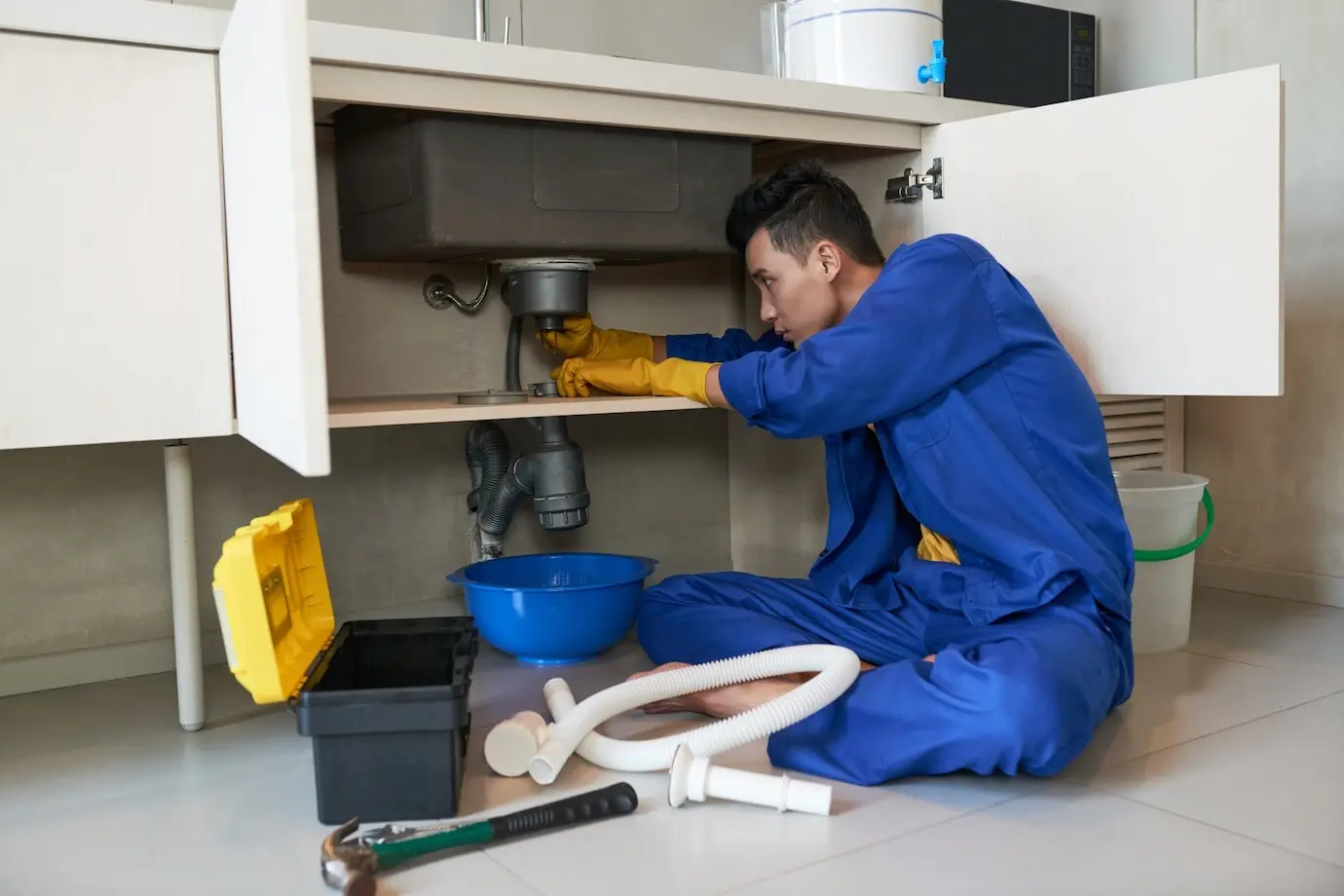
Zip walls, magnetic door covers, and negative-pressure fans change everything. Wet-cutting tile reduces silica. Use HEPA-rated vacuums on saws and sanders, then finish with microfiber. Track dust with white-glove tests and a photo log, celebrating wins when filters stay cleaner and coughs disappear from the dinner table. Teach helpers how to seal openings correctly to avoid accidental blowbacks.

Temporary Kitchens and Safe Food Practices

A folding table, induction hob, and instant pot create a surprisingly capable galley. Store perishables in a secondary fridge or cooler with thermometers. Wash dishes in a laundry sink using a rinse tub system. Label allergens, rotate stock, and keep a crumb-free zone to deter opportunistic pests. Keep a fire extinguisher handy and confirm GFCI protection while cords and appliances multiply.

Communication and Contracts that Prevent Surprises

Clear agreements keep occupied projects humane. Define working hours, cleanup standards, and no-go rooms in writing. Use shared message threads for quick approvals and a weekly site walk for deeper decisions. Visual boards with photos, samples, and notes prevent misunderstandings and costly rework when urgency tempts shortcuts. Invite feedback from everyone living there; houses run smoother when all voices are heard.

Stories From Families Who Stayed Put

A Growing Family’s Kitchen-First Approach

One couple phased everything around meals and homework. They built a utility sink galley, batch-cooked on Sundays, and kept plates in lidded bins. Because nourishment and connection continued, morale held steady, and the final kitchen reveal felt like a reunion, not a recovery from hardship. Their one rule—no dust on the dinner table—guided dozens of smart, protective choices.

Turning a Garage into an Interim Apartment

A single parent converted the garage with rugs, heaters, and a Wi‑Fi mesh node. Folding screens created privacy; a mini-fridge and induction burner handled meals. This short-term oasis cut drive-time to zero, kept routines intact, and transformed construction months into a manageable, oddly memorable season. Neighbors noticed the creativity and offered spare chairs, loaner lamps, and welcome encouragement.

How Phased Electrical Upgrades Saved Weeknights

An older bungalow tackled panel upgrades first, then added arc-fault protection room by room. Outage scheduling during soccer practice spared frustration. Labeling circuits and replacing mystery switches reduced trips to the basement. Small wins stacked, and evenings returned to reading, tacos, and laughter before the final walkthrough. The family now shares their schedule template with friends starting similar journeys.

Fifatezexaxuzanevava
Privacy Overview

This website uses cookies so that we can provide you with the best user experience possible. Cookie information is stored in your browser and performs functions such as recognising you when you return to our website and helping our team to understand which sections of the website you find most interesting and useful.